What is the PSNG?
The Psychedelic Student Network Germany (PSNG) is a nationwide network of students at German universities who share an interest in psychedelic science. Our aim is to bring committed students together and build a strong community that works towards a responsible future for this field of research.
Our vision
A future in which psychedelic science is destigmatised, people with an interest in it can find each other easily, and research on psychedelics is conducted safely, rigorously and ethically.
Where Germany stands
With growing media attention, expanding scientific research and rising public interest in psychedelics, we assume that students in Germany are just as interested in psychedelic research and therapy. What has been missing so far is a nationwide student body that advances the field through exchange and connection at student level.
- members
- 450+
- cities
- 13+
- events since March 2026
- 9
- partner organisations
- 10
Models: Switzerland & Italy
In Switzerland, local university groups are joined together in the Swiss Psychedelic Student Network (SPSN). In Italy, the University Network for Psychedelic Students (UNePSI) connects students across different universities. Both networks served as models for the PSNG.
Who's behind this?
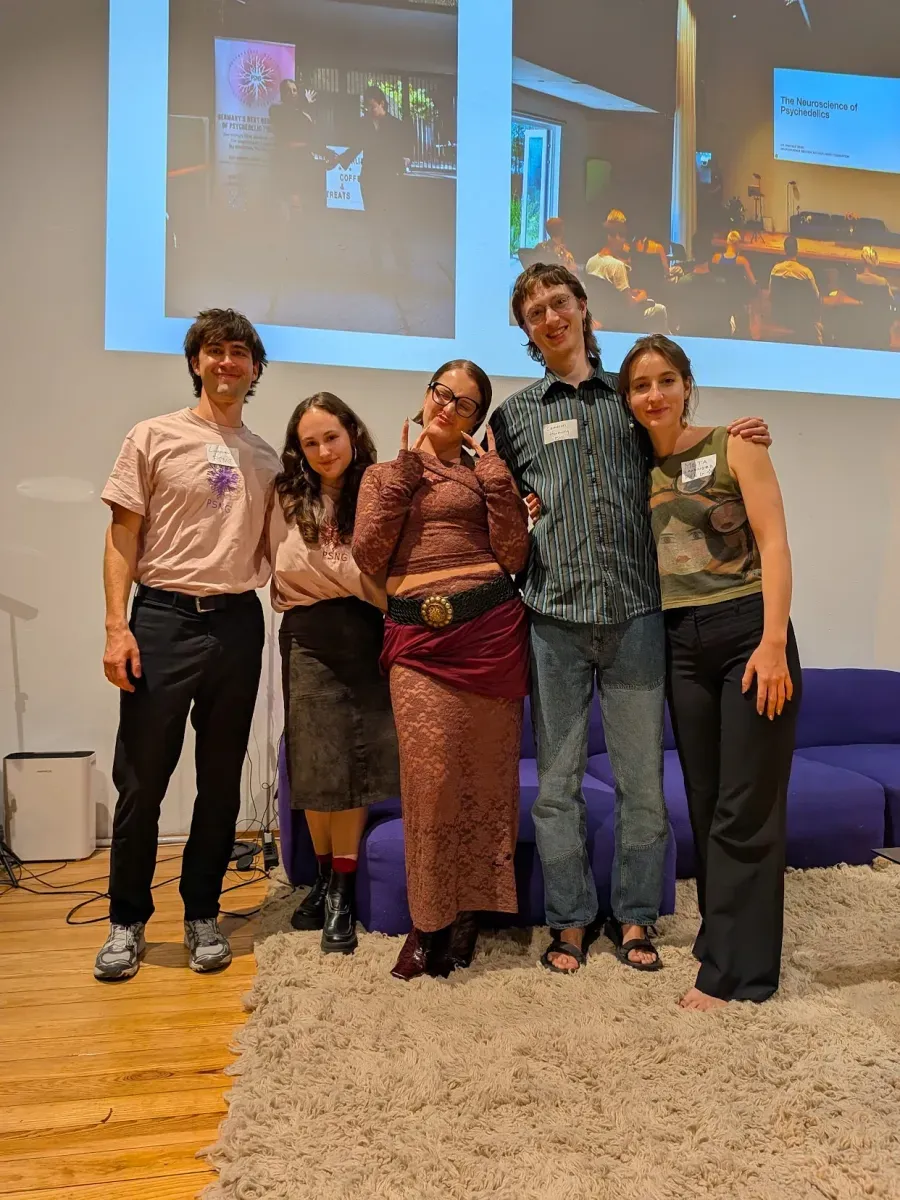
The PSNG is organised by psychology and medical students in Berlin, Essen and Wuppertal. Events are usually a joint effort of the whole organising team.
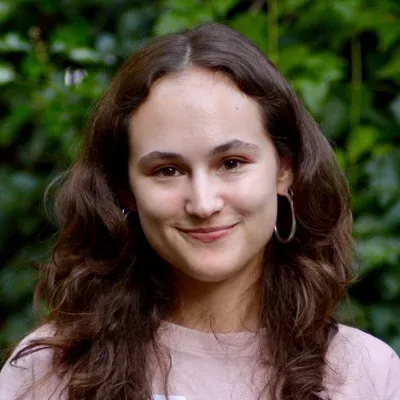
Ivana Sterr
- Founding the association
Medical student · Charité Berlin
Studies medicine and works as a student assistant in clinical psychedelic research at the Charité. Inspired by the open, well-connected community at ALPS Foundation events in Switzerland.

Lennert van de Kreeke
- Coordination
Medical student · Charité Berlin
Active in clinical psychedelic research and involved with the ALPS Foundation in Switzerland. Studies medicine in Berlin and sees great potential in the PSNG for connection, exchange and shared growth.
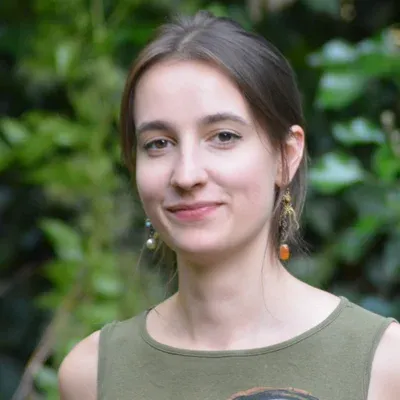
Meta Laubinger
- Founding the association
- Blog
Psychology master's student · Bergische Universität Wuppertal
Research assistant in clinical psychology. Convinced that psychedelics are a powerful tool for studying consciousness, and that systematic research can make their therapeutic potential usable.
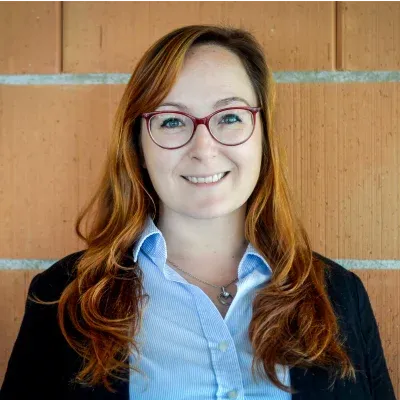
Polina Bedrina
- Lecture series
Psychology PhD student · Universität Duisburg-Essen
Doing a PhD at the intersection of psychedelic research and developmental psychology. Involved in several initiatives for science communication, education and networking. Wants to make knowledge accessible, encourage open and critical discussion, and bring people together.
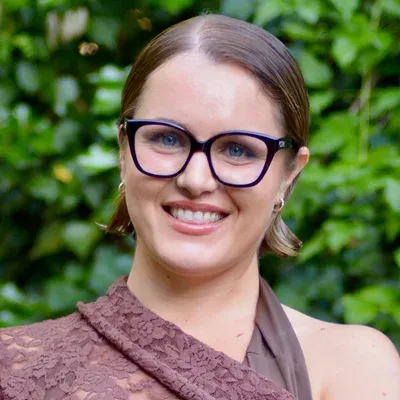
Stela Malvasija
- Marketing
- Social media
Clinical psychologist · Euro-FH Europäische Fernhochschule Hamburg
Clinical psychologist with a particular interest in psychedelics. Researches how altered states of consciousness can enable recovery, connectedness and new narratives, in the individual and in the collective.
Co-founded with Cameron Hornung, who helped build the PSNG for over a year. Thanks, Cam! <3
Our partners
These are the organisations we work with.
Networks

PsychedeliCare
A European initiative for the political recognition of psychedelic therapies. It connects organisations from more than 20 countries and campaigns for a safe, ethically responsible regulatory framework.
Swiss Psychedelic Student Network (SPSN)
The SPSN connects the independently organised university groups in Switzerland (ARP, NAPA PALA, PARAB, PROBe, PROOF, PROZ) and runs the Swiss Student Forum each year.

University groups

Berlin Psychedelic Science Association (BPSA)
A group of Berlin students bringing psychedelic science to the city's universities. Their lectures are occasionally held together with the PSNG, and we put on our first in-person event jointly.

PARAB – Psychedelic Awareness & Research Association Basel
A multidisciplinary student organisation from Basel and part of the Swiss Psychedelic Student Network. PARAB brings knowledge about the therapeutic use of psychedelics to professionals and the public alike — and runs the media blog together with us.
Foundations

ALPS Foundation
The Swiss ALPS Foundation supports evidence-based psychedelic research through its annual conference and summer school, its own research projects and support for student initiatives. An inspiration for founding the PSNG.
Psychedelia Stiftung
The Psychedelia Foundation supports cultural, artistic and scientific exchange around psychedelic experiences. Its aim: social acceptance for a beneficial approach to altered states of consciousness, with an eye on safety, respect and personal development.
Community and media

Lucys Magazin
The Nachtschatten Verlag's magazine on psychedelics, consciousness, culture and health — with long, well-researched in-depth pieces in its Xtra section. Lucys explicitly invites the PSNG community to submit their own articles, with a low barrier to entry. We sometimes hand out copies at our events, too.

Nachtschatten Verlag
A respected German-language publisher on psychedelic science, intoxication culture and drug policy. For decades it has published well-founded, destigmatised literature, including the magazine Lucy's Rausch.

Would you like to work with us on events, reach, research or simply to bounce around ideas? Write to us.
Get involved
The organising team runs lectures, events, the conference and the association. Every role is voluntary and fully remote. You don't need prior knowledge; curiosity and reliability are what count.
In return you get insight into the field, contacts with researchers, labs and speakers, an interdisciplinary team, your own @psng.info address and, if you like, a volunteering certificate.
Form, about 3 minutes
In the team as in the community, our code of conduct applies.
How it works
Form
Tell us briefly who you are and what interests you. We'll get back to you within seven days.
Getting to know each other
20 minutes by video or over coffee in Berlin: expectations, time budget and which area fits.
Trial phase
Four weeks with a concrete task, 2 to 4 hours a week. Someone from the core team supports you. You can pause during exams.
Feedback
A joint conversation, and you'll hear from us within 48 hours. The trial goes both ways; it isn't a test.
Settling in
As core, with a fixed area and the weekly meeting, or as a helper for individual tasks. Both count fully.
Where you can help
- Association & finances
- Newsletter
- Conference 2027
- Lectures
- Partnerships & fundraising
- Organisation & onboarding
- Community & local groups
- Events in Berlin
- Design & video
- Website
- Research matching (from 2027)
especially needed right now